
Does Auto Insurance Follow the Car or the Driver?
Many drivers are unsure whether auto insurance applies to the vehicle, the driver, or both. This question often comes up when lending your car to a friend or borrowing someone else’s vehicle. While...
Read more

Employment Practices Liability Insurance Deep Dive
Employment disputes can surface unexpectedly, and even a routine workplace decision can evolve into something far more complicated. Employment Practices Liability Insurance (EPLI) helps shield...
Read more
When Business Growth Outpaces Insurance Coverage
Business growth is exciting, but it can also create quiet gaps in your insurance protection. As operations expand, many small changes—new equipment, more inventory, additional staff, or bigger...
Read more

Boat Liability Risks Most Owners Don’t Think About
Many Florida boat owners look forward to sunny days on the water, but it’s easy to overlook whether your coverage truly reflects the risks that come with boating. While cruising through places like...
Read more

Pool, Trampoline & Backyard Liability - Are You Covered This Summer?
Summer in Southwest Florida brings plenty of outdoor fun, from family cookouts to lazy afternoons by the pool. Many homeowners also look forward to refreshing their backyards with pools,...
Read more
Hurricane Season Prep Tips for Homeowners
Hurricane season brings significant risks to Florida communities, from strong winds and flooding to extended power outages. Preparing early helps protect your property, reduce stress, and ensure...
Read more
Distracted Driving Awareness Month: How to Stay Safe Behind the Wheel
April marks Distracted Driving Awareness Month, offering a meaningful reminder to reflect on our habits whenever we get behind the wheel. Many crashes occur not because of poor weather or hazardous...
Read more

Why Personal Umbrella Insurance Is Worth a Second Look
March marks National Umbrella Month, and while it may sound like it’s all about rainy weather gear, it actually highlights something far more financially significant: personal umbrella insurance....
Read more

Essential Home Insurance Riders: Are You Covered?
Many homeowners mistakenly believe their insurance policy covers everything. However, they often discover gaps when they need it most. Optional add-ons, known as home insurance riders, can cover...
Read more
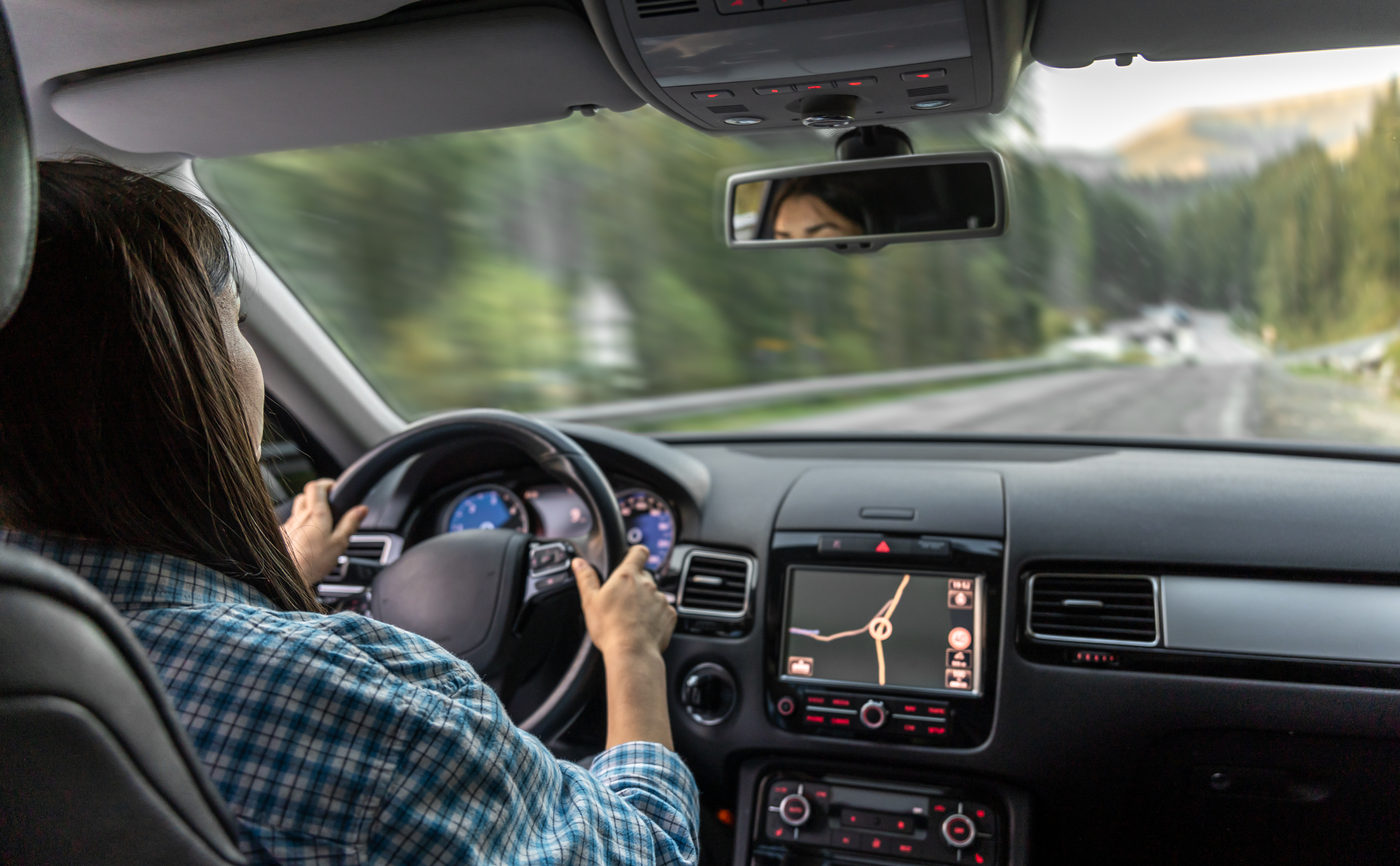
Celebrating Teen Driving Awareness Month: Key Insights and Safety Tips
Read more
Protecting Your Holiday Treasures: A Guide to Insuring Valuables
The holiday season is filled with joy, excitement, and the cherished tradition of gift-giving. As you unwrap those treasured presents, whether it's jewelry, electronics, or collectibles, it's...
Read more

Winter Home Prep: Stay Warm and Protect Your Space
As the chill of winter begins to set in, the thought of keeping your home cozy and secure becomes a top priority. It's understandable to feel concerned about maintaining warmth and safety, but with...
Read more
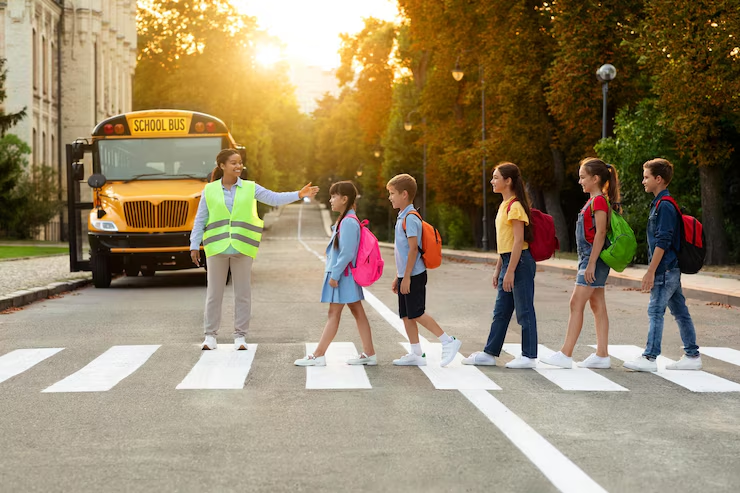
August's Traffic Awareness: A Back-to-School Reminder
Embracing the Back-to-School SeasonThe start of a new school year is a thrilling time filled with anticipation and a touch of chaos. Whether you’re packing small lunches or shopping for the perfect...
Read more
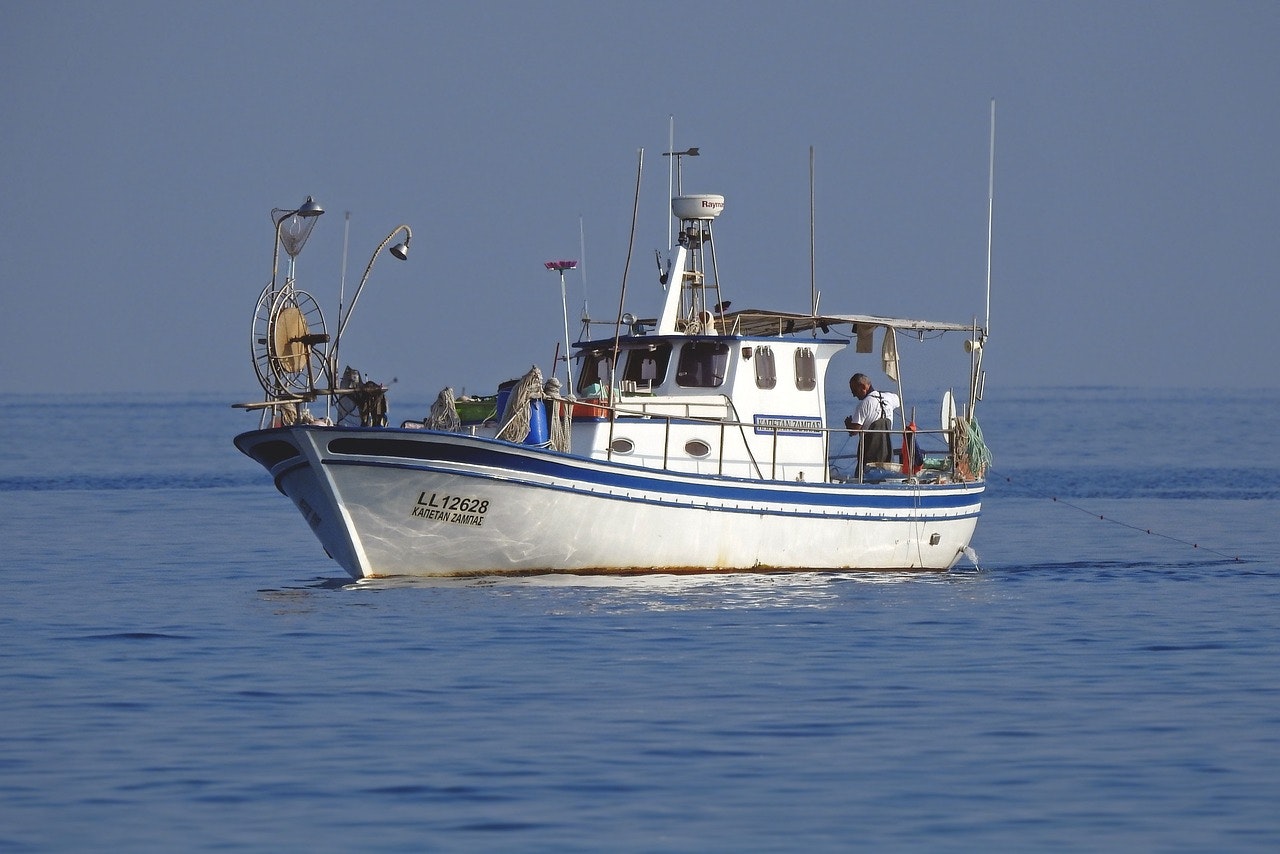
Comprehensive Boat Insurance in Fort Myers: What You Need to Know
Understanding Boat Insurance CoverageWhen it comes to protecting your prized vessel in Fort Myers, having the right boat insurance is crucial. Typically, a standard policy covers physical damage,...
Read more

Celebrating Mother's Day: Honoring the Dedication of Moms
Read more
Why Liability Insurance in Marco Island is Essential for Homeowners and Businesses
Living and working in Marco Island offers plenty of perks—beautiful beaches, thriving tourism, and a close-knit community. However, with these benefits come risks, making liability insurance in...
Read more
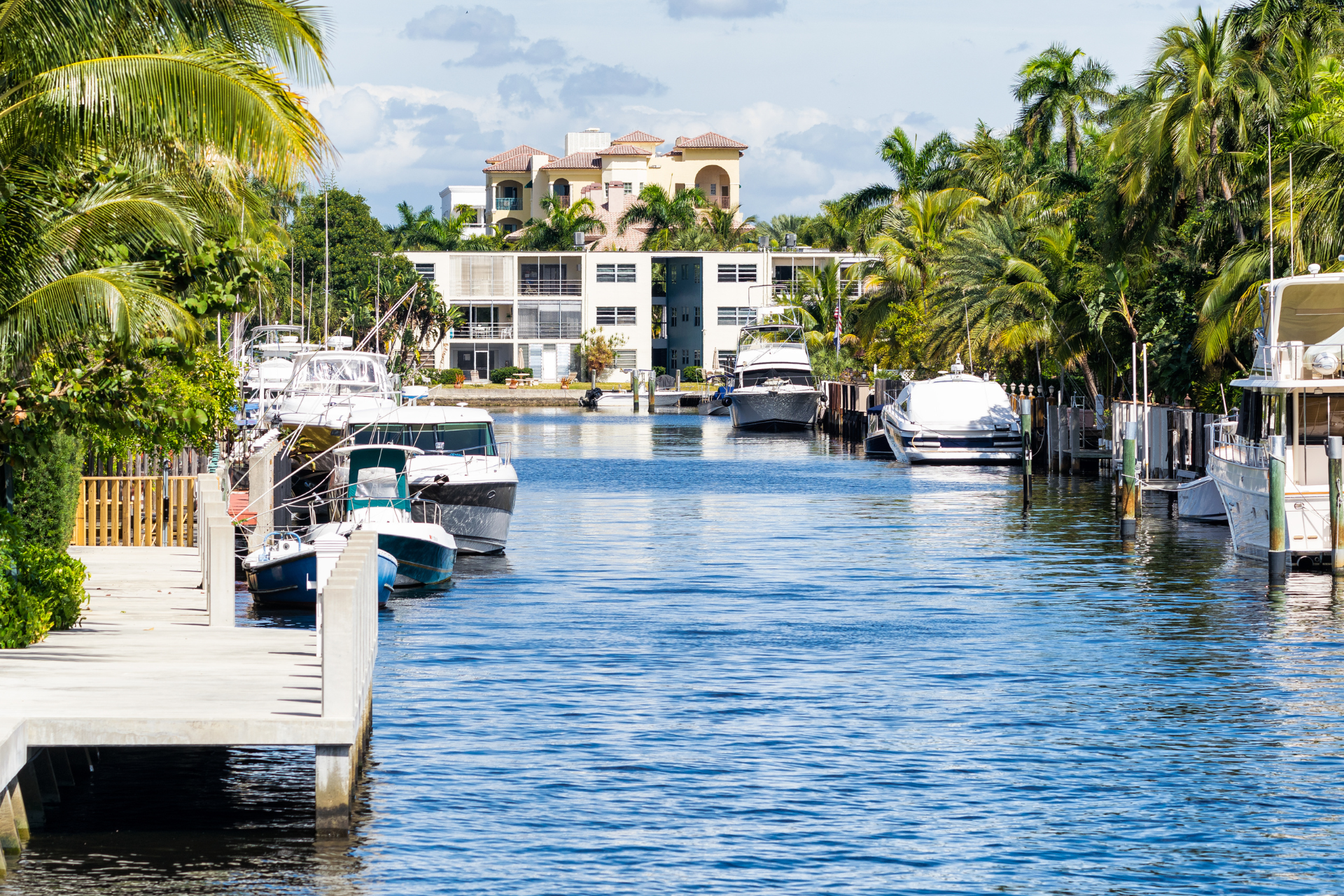
Local Boat Insurance in Estero: Protecting Your Watercraft Year-Round
Boating in Estero offers incredible opportunities to explore Florida’s beautiful waters, whether cruising along Estero Bay or fishing in the Gulf of Mexico. However, owning a boat also comes with...
Read more

Best Motorcycle Insurance in Naples: What Riders Should Look For
If you're a motorcycle enthusiast in Naples, you already know that Florida's roads offer some of the best riding experiences. But before you hit the open road, it's crucial to have the right...
Read more

Embrace Protection: National Umbrella Month & Insurance
As we celebrate National Umbrella Month in March, it’s a perfect time to consider the protection umbrellas provide. Just as a physical umbrella shields us from the unpredictability of the weather,...
Read more

What Insurance Do Small Businesses Need in Sanibel Island?
Owning a small business in Sanibel Island comes with unique challenges and risks, from unpredictable weather to liability concerns. Whether you run a boutique, restaurant, or service-based business...
Read more

Navigating Rising Insurance Premiums
Read moreView more